

Blog
Exploring the impact of luck versus skill in gambling

The Role of Luck in Gambling
Luck is often viewed as the primary driver of success in gambling. Many games, such as slot machines and roulette, rely heavily on chance, making the outcomes unpredictable. A player’s success in these games can hinge solely on random number generation or the spin of the wheel. This randomness provides a unique thrill that attracts people who enjoy the excitement of not knowing whether they will win or lose. For instance, someone might hit a jackpot on a slot machine purely by chance, highlighting how pivotal luck can be in gambling environments, especially when players seek the best online pokies that offer such thrilling experiences. The sheer unpredictability of these games creates a sense of wonder and anticipation that keeps players returning for more.
In games dominated by luck, players can experience significant swings in fortune within a short time. For example, a player who loses several bets in succession can instantly turn their fate around with a single winning hand or spin. This dynamic creates a rollercoaster of emotions, fueling the excitement that defines the gambling experience. The thrill of the gamble lies in the potential for an unexpected win, which can often outweigh the risks involved. This allure often leads players to chase their losses, hoping for a return to that lucky streak that once favored them, despite the odds often being against them.
However, relying entirely on luck can lead players into a false sense of security. While it can be thrilling to experience a lucky streak, it’s important to note that gambling establishments typically have a built-in house edge. This advantage ensures that, over the long term, the odds are tilted in favor of the casino. Thus, while luck plays a crucial role in individual outcomes, it is not a reliable strategy for sustained success in gambling scenarios. Players must understand that luck is a fleeting mistress, and while it can bring immediate rewards, it rarely guarantees long-term profitability.
The Importance of Skill in Gambling
While luck plays a significant role, skill is also a critical element in many gambling scenarios. Games like poker and blackjack require not only an understanding of the rules but also strategic thinking and psychological insight. Successful players must evaluate their opponents’ behaviors, manage their bankrolls, and make calculated decisions based on probability. This skill-based aspect transforms gambling from a mere game of chance into an intellectual contest, where knowledge and experience can lead to consistent wins. The ability to read the game and adjust strategies accordingly often sets skilled players apart from casual participants.
In poker, for example, a skilled player can often outperform less experienced opponents despite facing the same odds. They can read the table, bluff effectively, and understand when to fold or raise. This ability to control the game based on one’s skill set emphasizes how expertise can significantly impact outcomes. Moreover, skilled players often engage in continual learning and improvement, analyzing past games to refine their strategies and enhance their decision-making processes. This dedication to skill development not only increases their chances of winning but also transforms gambling into a more rewarding intellectual pursuit.
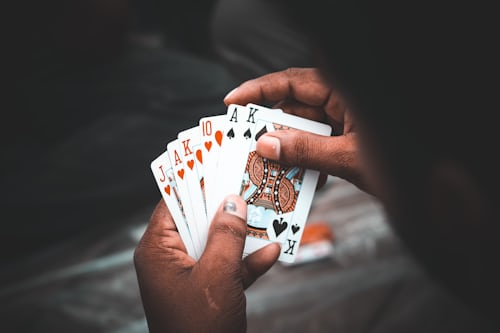
Moreover, skill-based games typically allow for a greater degree of control over the outcome. Players can influence the course of the game through their decisions, contrasting with pure luck where outcomes are entirely left to chance. This control can create a sense of empowerment for players, as they see their skills translate into success over time. In these skill-dominant environments, the balance between luck and skill becomes more pronounced, fostering a deeper level of engagement with the game. Such players often find themselves more invested in the process, as their decisions directly correlate with their success, leading to a more fulfilling experience overall.
The Balancing Act: Luck and Skill in Different Games
The interplay between luck and skill varies significantly across different types of gambling games. In games like slot machines and bingo, luck reigns supreme, as players have little to no control over the outcome. The thrill in these games often comes from the anticipation of a winning moment, with each spin or draw holding the potential for a life-changing jackpot. Conversely, in games such as poker and blackjack, players who hone their skills can leverage their knowledge and strategies to tilt the odds in their favor. This balance is essential in understanding how different players experience gambling, as some may thrive on the unpredictability of luck while others prefer games that reward skill.
In mixed games like video poker, the balance becomes even more intriguing. While the initial deal is random, players can then make strategic decisions based on the cards they receive. This dynamic allows for both luck and skill to play vital roles. Players who understand optimal strategy can significantly reduce the house edge, demonstrating that skill can influence outcomes, even in games with a luck component. This fusion of chance and strategy is what makes many gambling games so captivating and engaging for players of varying backgrounds.
Additionally, tournaments can further highlight this balance, particularly in poker. In tournament settings, skill often prevails over luck, as the best players consistently outperform others over a series of hands. However, even the most skilled player can be eliminated due to a few unfortunate hands, showcasing how luck can intervene even in skill-dominant formats. This complexity adds to the richness of gambling experiences, encouraging players to explore different games based on their preferences for luck or skill. Understanding this balance can help players choose games that align with their personal strategies and enjoyment levels.
Psychological Impacts of Luck and Skill
The psychological dynamics of luck and skill in gambling can deeply impact players’ experiences and behaviors. Players often exhibit a range of emotions based on their perceived luck or skill, influencing their decision-making processes. For instance, a player who experiences a streak of good luck may feel invincible, leading them to take risks they otherwise would not consider. This phenomenon, often referred to as the ‘gambler’s fallacy,’ can cause players to chase losses or bet more aggressively, thinking that luck is on their side. Such behaviors can lead to poor financial decisions and a distorted perception of risk.
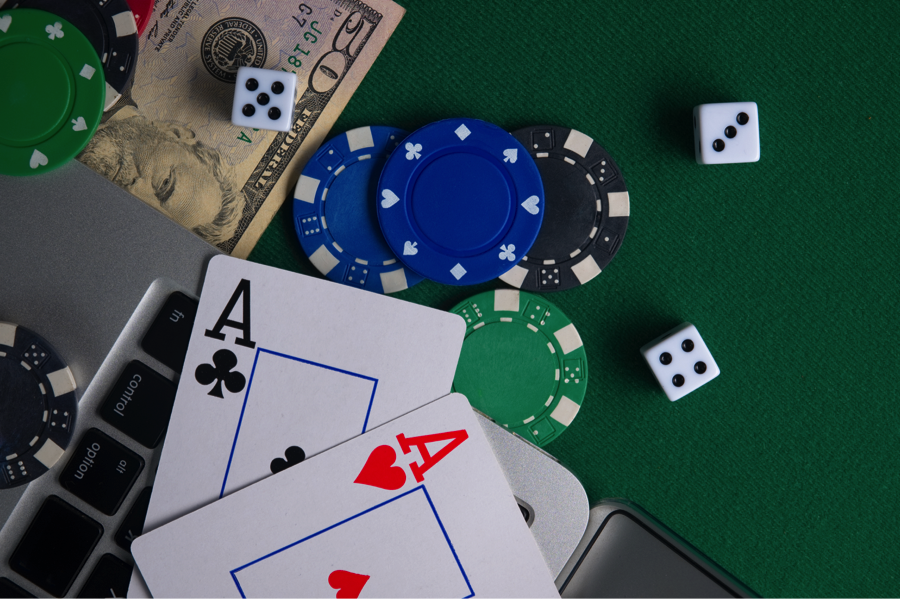
Conversely, skilled players may approach the game with a more calculated mindset, understanding that not every session will yield positive results. Their ability to rationalize outcomes based on skill can mitigate emotional responses to losses, helping to maintain a healthier relationship with gambling. This difference in mindset underscores the varying psychological impacts that luck and skill can have, shaping how players interact with the gambling environment. Acknowledging the role of skill can empower players, giving them a sense of control over their gambling experiences.
Moreover, the social dynamics of gambling can also reinforce these psychological effects. Players often seek reassurance and camaraderie from others, sharing stories of lucky breaks or strategic plays. This social aspect can heighten the emotional rollercoaster of gambling, as players celebrate wins together while lamenting losses. It reflects how luck and skill not only influence individual outcomes but also create a shared experience that informs the gambling culture and community. The interaction between players can enhance the thrill of the game, making it a social affair that transcends individual success or failure.
Understanding Gambling Through Our Website
This website serves as a resource for those looking to delve deeper into the complexities of gambling, exploring the intricate relationship between luck and skill. We aim to provide insights that can enhance your gaming experience, whether you’re a casual player or a seasoned expert. With detailed articles and analyses, we explore various gambling games, shedding light on strategies, odds, and the psychology behind them. Our content is crafted to appeal to a wide audience, from novices to experienced gamblers seeking to refine their approach.
By understanding the nuances of luck and skill, our readers can make informed decisions that enhance their enjoyment and potential success in gambling. We believe that knowledge is power, and by educating our audience, we hope to foster a more responsible and engaging gambling environment. Our commitment is to provide credible information that empowers players while celebrating the thrill of gambling. We strive to create a community where knowledge-sharing leads to better gambling practices and more informed players.
Whether you’re curious about the odds in different games or looking to refine your skills, our platform offers the tools and insights needed to navigate the vibrant world of gambling. Join us as we explore how luck and skill intersect to create the dynamic and exciting experience that gambling offers. We invite you to engage with our content, share your experiences, and become part of a community that values both the thrill of chance and the mastery of skill.